


2026 SUTA Rate Reduction: What Employers Can Do Now
Actionable strategies to reduce your state unemployment tax rate in 2026 — from claims management and charge auditing to voluntary contributions and experience rating optimization.

Expert analysis, legislative updates, case law, and data-driven guidance to help HR and finance leaders navigate unemployment risk — and win.

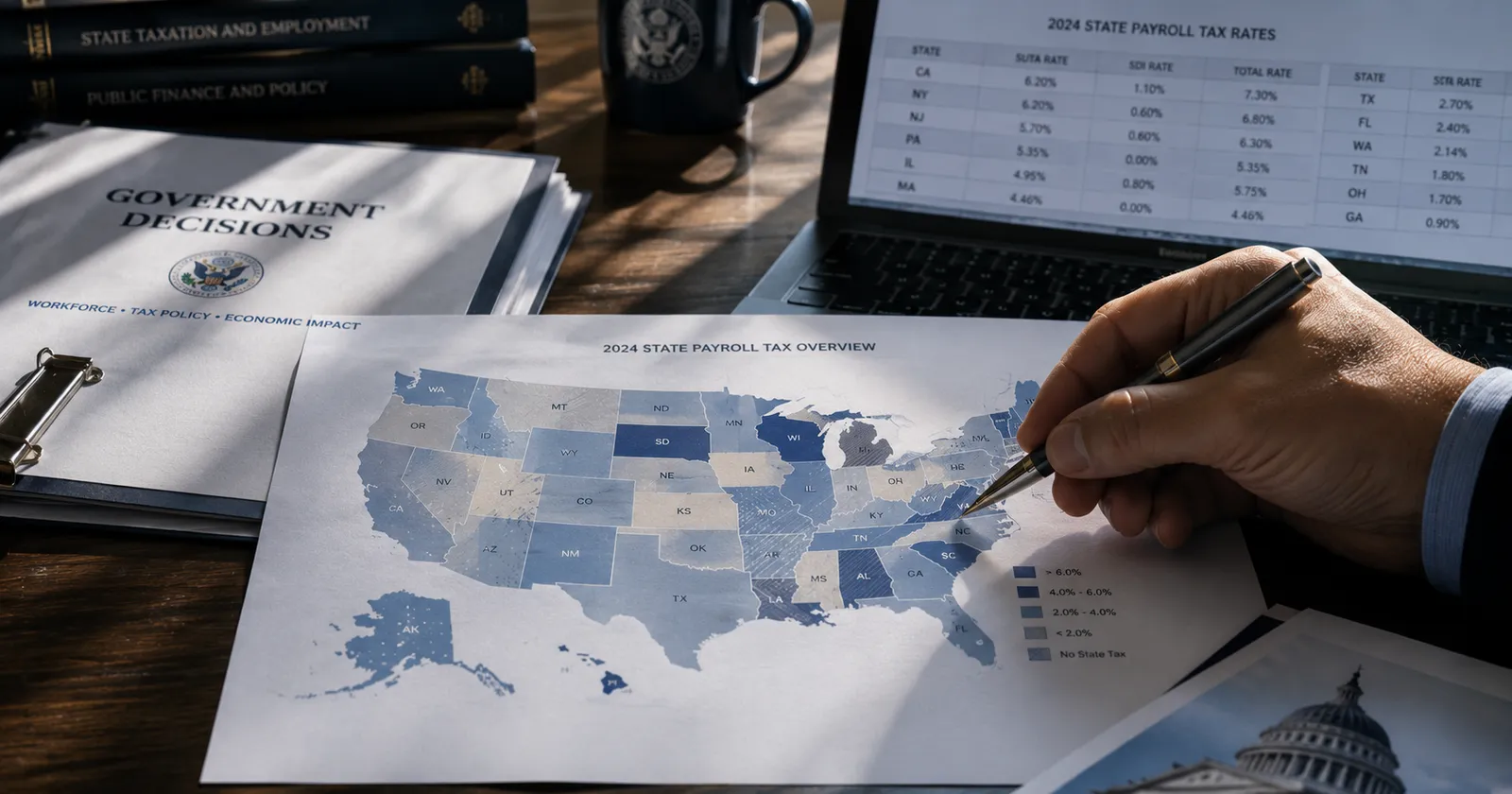
A comprehensive breakdown of state unemployment insurance rate changes for 2026 — which states raised rates, which lowered them, and what multi-state employers need to budget for this year.

Actionable strategies to reduce your state unemployment tax rate in 2026 — from claims management and charge auditing to voluntary contributions and experience rating optimization.
Updated list of states facing FUTA credit reductions in 2026, per-employee cost impact, and what multi-state employers need to do before year-end filing.
How recent federal executive orders are reshaping unemployment insurance enforcement, eligibility rules, and employer compliance requirements across all 52 jurisdictions.
Which state unemployment trust funds are solvent, which are at risk, and what that means for employer tax rates — a data-driven analysis of all 52 jurisdictions.
The state and federal unemployment insurance reform bills moving through legislatures in 2026 — and which ones could change employer obligations, rates, or hearing procedures.
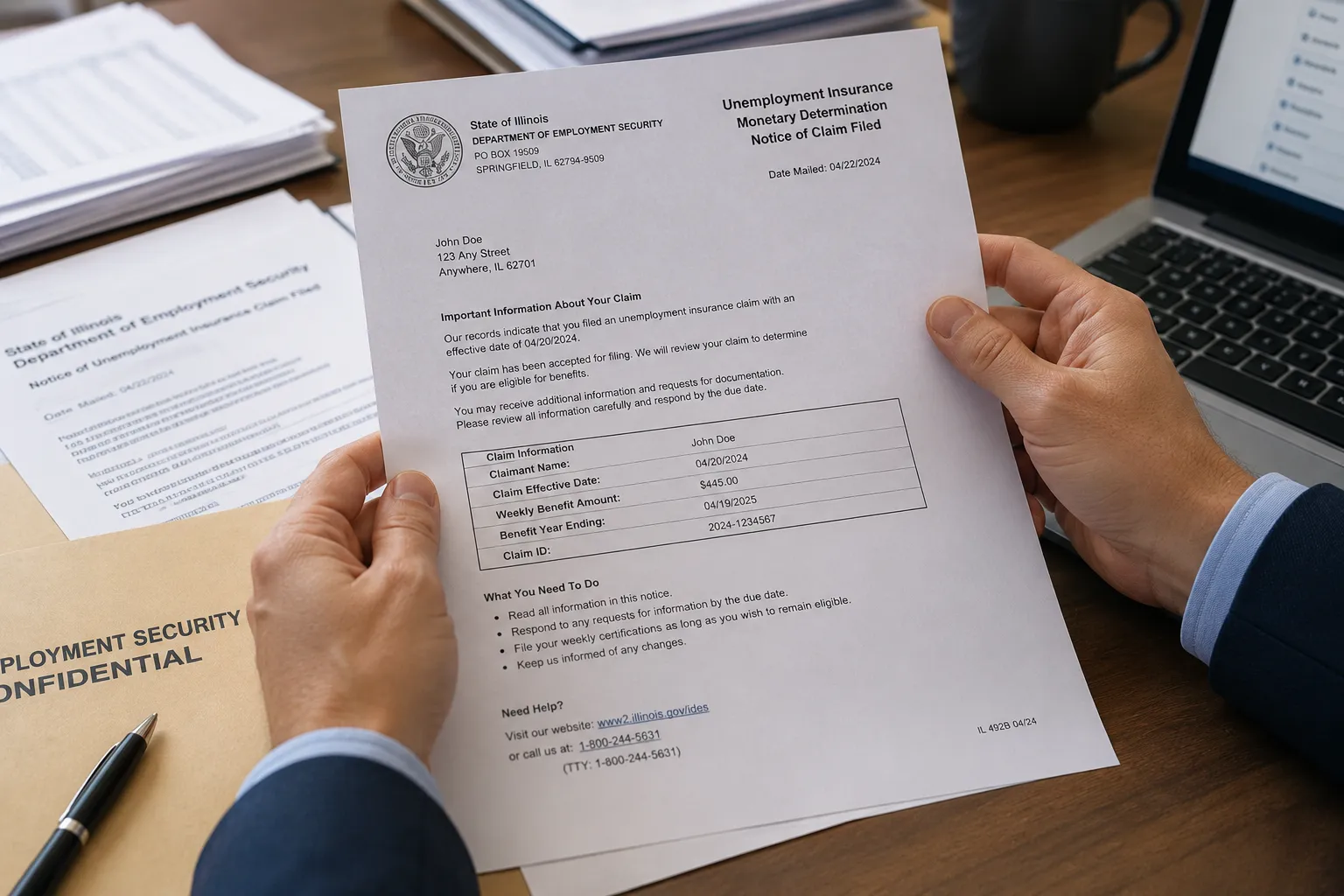
What happens when employers treat unemployment claims as a nuisance instead of a financial exposure — the hidden costs of inaction on SUTA rates, charges, and organizational overhead.
A step-by-step guide to unemployment hearing preparation, presentation, and common employer mistakes — from document organization to testimony strategy.
The five most common employer mistakes in unemployment claims management — and how each one directly increases your SUTA tax rate and benefit charge exposure.
The legal distinction between voluntary quit and misconduct termination matters for claims outcomes. How to document, categorize, and defend each separation type.
Miss a response deadline and you've conceded the claim. How the mail delay trap, state-by-state variation, and HR bandwidth create avoidable financial exposure.
A comprehensive breakdown of state unemployment insurance rate changes for 2026 — which states raised rates, which lowered them, and what multi-state employers need to budget for.
Everything employers need to know about Massachusetts DUA claims — response deadlines, experience rating, the hearing process, Board of Review appeals, and TPA representation.
NY DOL claims procedures, employer contribution rates, ALJ hearing process, misconduct standards, and the remote worker jurisdiction challenge — a complete employer guide.
California's double hit of elevated SUI rates and FUTA credit reductions explained — plus strategies to reduce your CA unemployment tax burden through aggressive claims defense.
Managing unemployment claims across 10, 20, or 50 states means 10, 20, or 50 sets of rules. The case for centralized management — and how to eliminate the patchwork risk.
Seven states have failed to repay federal unemployment loans, triggering FUTA credit reductions that could cost large employers hundreds of thousands in unexpected tax liability.
A detailed breakdown of the bipartisan legislation moving through committee and what it means for self-insured, non-profit, and government employers.
USC's quarterly claims intelligence report covering volume trends, industry breakdowns, and the states seeing the sharpest year-over-year increases.
Three landmark state decisions in CA, TX, and IL are shifting the burden of proof in voluntary quit and misconduct cases — and employers aren't keeping up.
The operational and financial case for centralized UI management when you have 10, 50, or 500+ EINs filing across multiple states.
A walkthrough of how enterprise clients use the Portal to manage claims in real-time, track hearing schedules, and monitor financial exposure across all entities.
Former hearing officers identify the documentation that most consistently separates winning employers from losing ones — and a checklist to build into your offboarding process.
USC aggregates claims, hearing, and charge data across thousands of employer accounts to surface the trends that matter most for decision-makers.
View the full Q1 reportField-tested frameworks from 50 years of employer defense. Every resource is free — because better-prepared employers make better outcomes for everyone.
Experience rating, FUTA management, reimbursable vs. contributory strategy, and building a defense infrastructure that pays for itself.
A field-tested checklist your HR team can build directly into offboarding to ensure the right documentation is collected before every separation.
Submit your EIN data and USC analysts will map your current exposure, identify gaps in your process, and quantify potential savings — at no cost.
Volume by state, industry, and claim type. Year-over-year comparisons and a forecast model for H2 2026 based on current economic indicators.
Jurisdiction-specific guidance for the 7 states with active credit reductions — including deadlines, calculation methodology, and voluntary contribution windows.
How a Fortune 500 employer cut UI costs by 29% in year one after centralizing unemployment management with USC across 200+ EINs.